
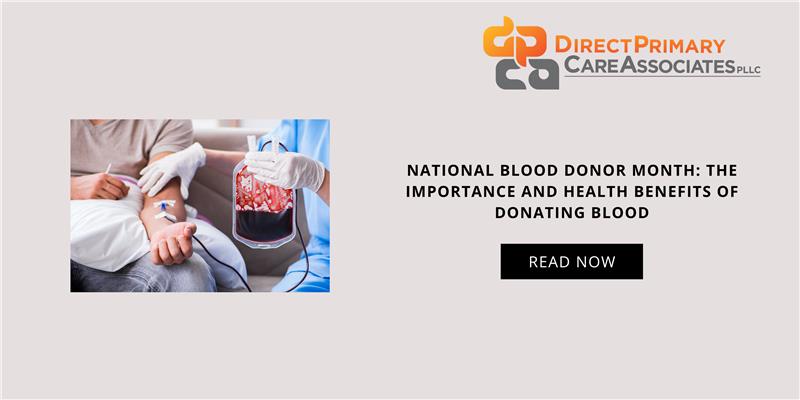
Every January, National Blood Donor Month reminds us of something simple but powerful: donating blood saves lives. Winter is often a difficult time for blood banks. Travel, seasonal illness, and busy schedules can all slow donations, even as the need stays constant.
As National Blood Donor Month 2026 begins, it’s a good time to understand why blood donation matters, who can donate, and how it fits into your overall health.
Why Blood Donor Awareness Month Matters
January is also widely recognized as blood donor awareness month, with one clear goal: keeping blood supplies steady for patients who need them. Blood is essential for emergency care, surgeries, cancer treatment, childbirth complications, and many chronic conditions.
Because blood cannot be manufactured, every unit comes from someone who chose to donate. That’s why the importance of blood donation is felt across hospitals and communities every day. It supports care teams, and patients across the healthcare system.
How Many Lives Can One Donation Save?
One blood donation can often be separated into different components, such as red blood cells, plasma, and platelets. A single donation can help save up to three lives. For recipients, that blood may be used in an emergency, during surgery, or as part of long-term treatment.
Types of Blood Donation
Blood donation is not one-size-fits-all. Donation centers help guide donors based on current needs and eligibility.
- Whole blood donation
The most common type. It takes about an hour and is used for a wide range of patients. - Platelet donation
Platelets are often needed for people undergoing cancer treatment or those with bleeding disorders. - Plasma donation
Plasma is used in trauma care and for certain immune-related conditions.
You don’t need to decide ahead of time. The donation center will help determine what’s appropriate.
Who Can Donate Blood? (Eligibility Criteria)
Eligibility can vary slightly by location, but most blood centers follow similar guidelines. In general, you may be eligible if you:
- Are in good overall health
- Are at least 17 years old (16 in some areas with parental consent)
- Weigh at least 110 pounds (50 kg)
- Have a hemoglobin level of at least 12.5 g/dL (for women) and 13 g/dl (for men)
- Feel well on the day of donation
- Have not donated whole blood within the recommended waiting period
A brief screening is done before every donation to ensure it’s safe for both the donor and the recipient.
Who Cannot Donate Blood?
Some people may not be able to donate blood, either temporarily or permanently. This can include:
- People with certain chronic medical conditions
- Anyone with an active infection or fever
- Individuals who are pregnant or recently gave birth
- Those who have had recent surgery, tattoos, or piercings (waiting periods may apply)
- People taking certain medications
- Individuals with specific travel or exposure histories
These guidelines exist to protect everyone involved. If you’re unsure, your primary care doctor can help you understand whether donating is safe for you.
How Often Can You Donate Blood in a Year?
Donation frequency depends on the type of donation:
- Whole blood: typically every 8 to 12 weeks
- Platelets or plasma: may be donated more frequently, depending on guidelines and individual health
These intervals allow your body time to replace blood cells and maintain healthy iron levels.
Precautions Before and After Blood Donation
A little preparation can make the experience smoother and more comfortable.
Before donating:
- Drink plenty of water the day before and the day of donation
- Eat a healthy meal before your appointment
- Get a good night’s sleep
- Avoid alcohol before donating
After donating:
- Rest for a few minutes before leaving the center
- Drink extra fluids for the rest of the day
- Avoid heavy lifting or strenuous exercise for several hours
- Eat iron-rich foods if recommended
Most people feel normal shortly after donating, but listening to your body is important.
Health Benefits of Donating Blood
The primary purpose of donating blood is to help others, but there are also health benefits of donating blood that many donors appreciate.
Each donation includes a basic health screening, which can provide insight into things like blood pressure, pulse, and hemoglobin levels. Donating also encourages regular health awareness and check-ins. For more on why regular checkups matter, see our post on annual health checkups and long-term wellness.
Many donors describe a sense of fulfillment and purpose after donating. Knowing you’ve helped someone in a direct, meaningful way can positively affect emotional wellbeing.
How Primary Care Fits In
Primary care plays an important role in helping people donate safely. Your doctor can review your health history, medications, and lab results to help you understand eligibility and timing. Learn more about our primary care services.
At Direct Primary Care Associates (DPCA), we believe community health starts with informed, supported individuals. Whether you’re considering donating blood, managing a condition, or simply staying proactive about your health, having a trusted primary care relationship makes those decisions easier.
A Small Act With Lasting Impact
Blood donation is one of the most direct ways to support others during National Blood Donor Month 2026. It doesn’t take long, but it can make a lasting difference.
If you’re thinking about donating or have questions about whether it’s right for you, your primary care doctor is a great place to start. You can always reach out to us with questions. Small, thoughtful actions like these add up to stronger, healthier communities.