
Ever had one of those days where everything feels perfectly, blissfully under control? Yeah, me neither. 😂 As a healthcare provider in a Direct Primary Care (DPC) practice, I’ve learned to embrace the fact that perfect doesn’t exist. But even in the midst of hiccups, surprises, and the occasional head-banging moment, DPC has stolen my heart. (If you want the less personal, more nuts-and-bolts version of why, check out Understanding Direct Primary Care: A Revolutionary Shift in Healthcare.)
Let’s rewind to the time before I joined our DPC team. Back then, I was one of those overwhelmed, caffeine-fueled providers trapped in a healthcare system that felt like a hamster wheel. Patients were rushed in and out, paperwork was piling up like a Jenga tower ready to collapse, and my EHR (electronic health record, for those blissfully uninitiated) seemed less “intuitive tool” and more “malfunctioning robot sidekick.” The burnout was real, and some days I wondered if I’d become a healthcare provider only to slowly lose my sanity.
And that’s when I heard about Direct Primary Care. At first, I thought it was some new-age buzzword, like kombucha shots or goat yoga. But as I read more, I got hooked. No insurance middlemen? More time with patients? Freedom to actually practice medicine instead of speed-running it? Sign. Me. Up.
The Highs of DPC: Where the Magic Happens
Now, if you think DPC is some dreamy fairytale where everything goes right, let me burst that bubble quickly. It’s more like one of those rom-coms where I trip, spill coffee on myself, and somehow still manage to win over the room. But there are highs that make it all worthwhile.
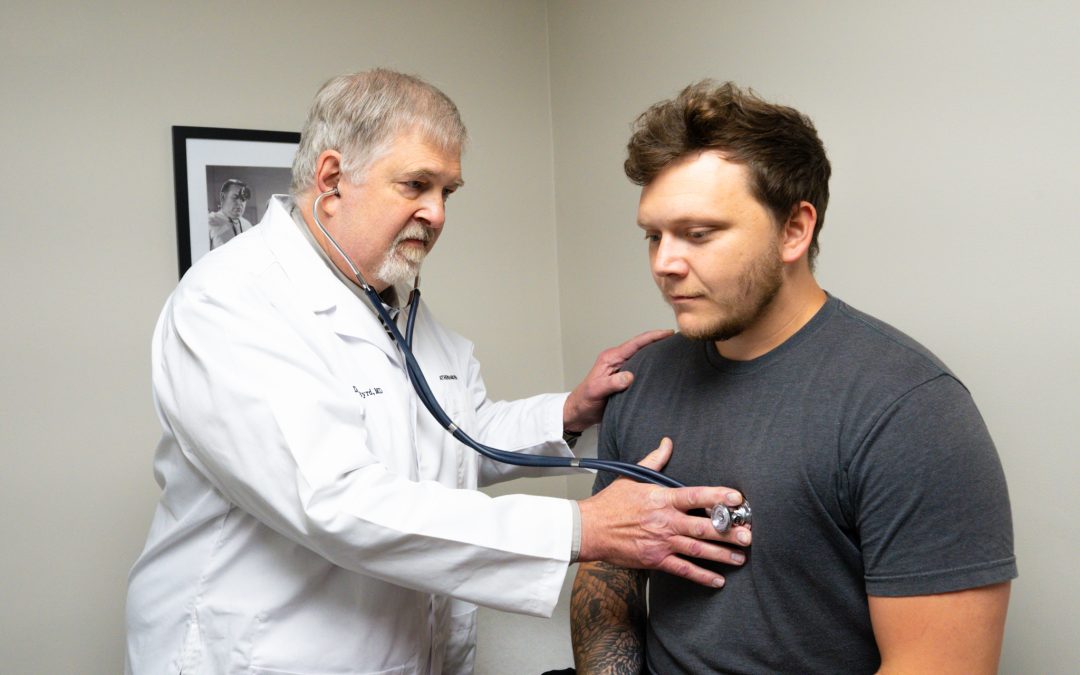
1. Real, Unrushed Conversations Picture this: a patient sits down in my office, and we talk about their health for 30 minutes, maybe even an hour if needed. Not in a rushed, “you’ve got six minutes and then I’m out” kind of way. We laugh, we cry (sometimes literally — human emotions are wild), and we tackle not only their physical health but their emotional well-being too. And the best part? We actually come up with a plan that makes sense.
I had one patient, let’s call her Emily, who came to see me because of chronic fatigue and recurring headaches. She had bounced around from specialist to specialist with no real answers. We spent a full hour — yes, an hour, because that’s a thing in DPC — talking about her stressors, her sleep patterns, and what she actually does every day. And guess what? Together, we figured out a way to manage her symptoms that had nothing to do with some fancy new drug. Sometimes, old-fashioned listening does wonders. You can read more stories like Emily’s on our testimonials page. 🩺
2. Cutting Out the Middleman Here’s a visual: insurance companies are like nosy neighbors who eavesdrop on your conversations and then tell you how to manage your house. In DPC, I don’t have that neighbor. I don’t need pre-authorizations or permission slips to get my patients what they need. The paperwork nightmare is gone, replaced by — you know — actual medicine.
There was this one time I needed to order an MRI for a patient with a nagging knee issue. Normally, this would mean hours of justification, phone calls, and hair-pulling. In DPC, I just called the imaging center, and got him scheduled, and that was that. Sometimes, simple wins are the most satisfying. 🙌
The Not-So-Perfect Side
But before you think I’m living the dream 24/7, let me be real. Being part of a DPC practice isn’t all unicorns and rainbows.
1. The Business Side I didn’t go to medical school to learn about marketing funnels or bookkeeping, but working in a group of like-minded DPC providers is basically a crash course in all that. Some days, I’m reviewing labs, and the next I’m calling a plumber because the office sink is gurgling ominously. (Note to self: never underestimate the power of a well-functioning sink.)
Balancing care with the logistics of keeping the lights on can be… let’s call it a “growth experience.” But you learn. You pivot. You get really good at Googling “how to unclog an office drain” at 2 a.m.
2. The Emotional Load When patients join a DPC practice, there’s a beautiful thing that happens: a real relationship forms. But with deep relationships comes an emotional load that can be heavy. We talk more about what it takes to build that kind of trust in Building Trust with Your Direct Primary Care Patients. When someone trusts you with their health and life story, it hits deeper. When they’re hurting, you feel it too. And when things don’t go as planned, the weight can be crushing.
One of my patients had a tough battle with cancer. Even though I knew I was doing everything I could, there were nights I lay awake wondering if it was enough. Medicine is never simple, and DPC makes it even more personal.
Why I Wouldn’t Trade It
At the end of the day, though, I wouldn’t trade this journey for anything. DPC has given me back the spark I thought I’d lost. The patients I care for aren’t just appointment slots; they’re people whose stories I know, whose families I’ve met, whose well-being genuinely matters to me.
Sure, I might complain when the office internet crashes during a busy day or when I accidentally staple my own finger (it’s happened, let’s not dwell on it). But this way of practicing medicine, even with its messiness, reminds me why I chose this profession in the first place: to connect, to care, and to make a difference.
So yeah, Direct Primary Care isn’t perfect. But sometimes, the imperfect things are what make life interesting. And I’m here for every messy, heartfelt, beautiful moment of it.
Thanks for reading my love letter (sort of) to DPC. And if you ever see me chasing down a rogue office chair that won’t stay still, just know: it’s all part of the adventure.
Brian Fretwell, PA-C, MPH. You can meet Brian and the rest of our providers on our Our Team page.